
Popular Nail Shapes
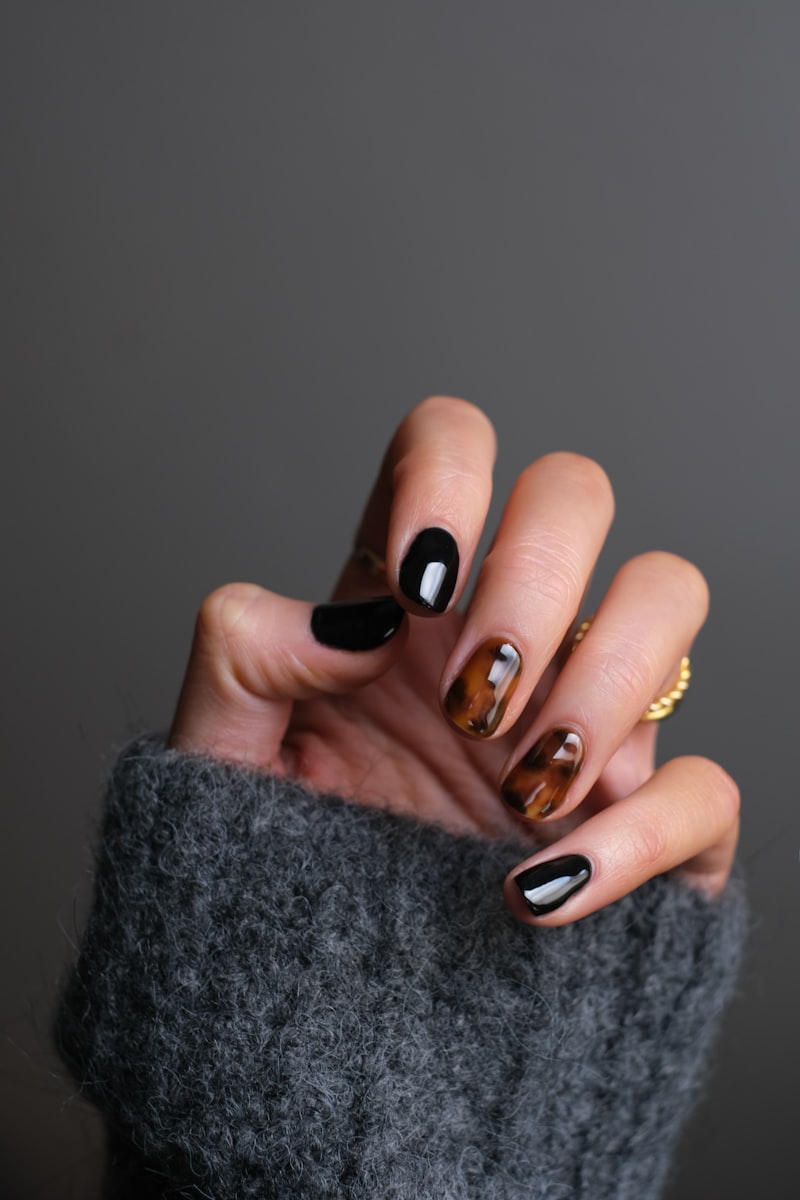
There are several common nail shapes, each with a distinct look and feel. Square nails have straight edges and a flat top — classic and structured. Round nails follow the natural curve of the fingertip — natural and low-maintenance. Oval nails are elongated rounds — elegant and flattering. Almond nails taper to a soft point — sophisticated and elongating. Coffin (ballerina) nails are square with a tapered base — trendy and dramatic. Stiletto nails taper to a sharp point — bold and high-maintenance.
| Shape | Look | Maintenance | Practicality |
|---|---|---|---|
| Square | Classic, structured | Low | High |
| Round | Natural, soft | Low | High |
| Oval | Elegant, elongating | Low | High |
| Almond | Sophisticated, slimming | Medium | Medium |
| Coffin | Trendy, dramatic | Medium | Medium |
| Stiletto | Bold, pointed | High | Low |
Length Considerations
Nail length affects both appearance and practicality. Short nails are easy to maintain, comfortable for typing and daily tasks, and less prone to breakage. Medium nails offer more styling options while remaining practical for most activities. Long nails make a statement but require more maintenance and limit certain activities.
Consider your daily activities. If you type extensively, work with your hands, or exercise frequently, shorter nails are more practical. If you want a dramatic look and are willing to adjust your habits, longer nails can be beautiful and manageable with proper care.
Matching Shape to Your Fingers
Certain shapes flatter certain finger types. Oval and almond shapes elongate shorter fingers. Square shapes complement longer fingers. Round is universally flattering and natural. Your technician can recommend shapes based on your finger length and nail bed shape.
The width of your nail bed also matters. Narrow nail beds look good with square or oval shapes. Wider nail beds benefit from almond or oval shapes, which create a slimming effect.
Lifestyle and Activity Considerations
Your lifestyle should guide your choice. If you work in an office and type all day, shorter round or oval nails are practical. If you work in a creative field or are less hands-on, you may enjoy longer almond or coffin shapes. If you exercise or play sports, shorter nails prevent interference and breakage.
Be honest with your technician about your daily activities. They can recommend shapes and lengths that look beautiful and work with your lifestyle rather than against it.
- —Typing extensively: short round or oval
- —Manual work: short, durable shapes
- —Exercise/sports: short to medium
- —Creative/social professions: any shape, longer lengths possible
- —Special events: longer, more dramatic shapes
Maintenance Implications
Longer and more pointed shapes require more frequent maintenance. Stiletto and coffin shapes chip more easily at the tips and may need fills more often. Shorter, rounder shapes are more durable and forgiving between appointments.
If you prefer low-maintenance nails, choose a shorter length with a round or oval shape. If you are willing to commit to regular fills and careful handling, longer and more dramatic shapes are achievable.
Breakage and Nail Health
Longer nails are more prone to breakage, especially at the tips. Pointed shapes (stiletto, almond) are more vulnerable than flat shapes (square, round). If your nails break frequently, consider a shorter length or a more durable shape.
Nail health also affects shape choice. Weak or thin nails may not support long extensions well. Your technician can recommend strengthening options like builder gel or dip powder to reinforce the nail before extending it.
Trying a New Shape
If you are considering a new shape, discuss it with your technician before the appointment. They can show you how the shape will look with your finger type and recommend adjustments. It is easier to start with a moderate change — for example, moving from square to oval — before trying a dramatic shape like stiletto.
Remember that you can always go longer or more dramatic at your next appointment. Starting conservative and adjusting over time lets you adapt to the feel and maintenance of a new shape.